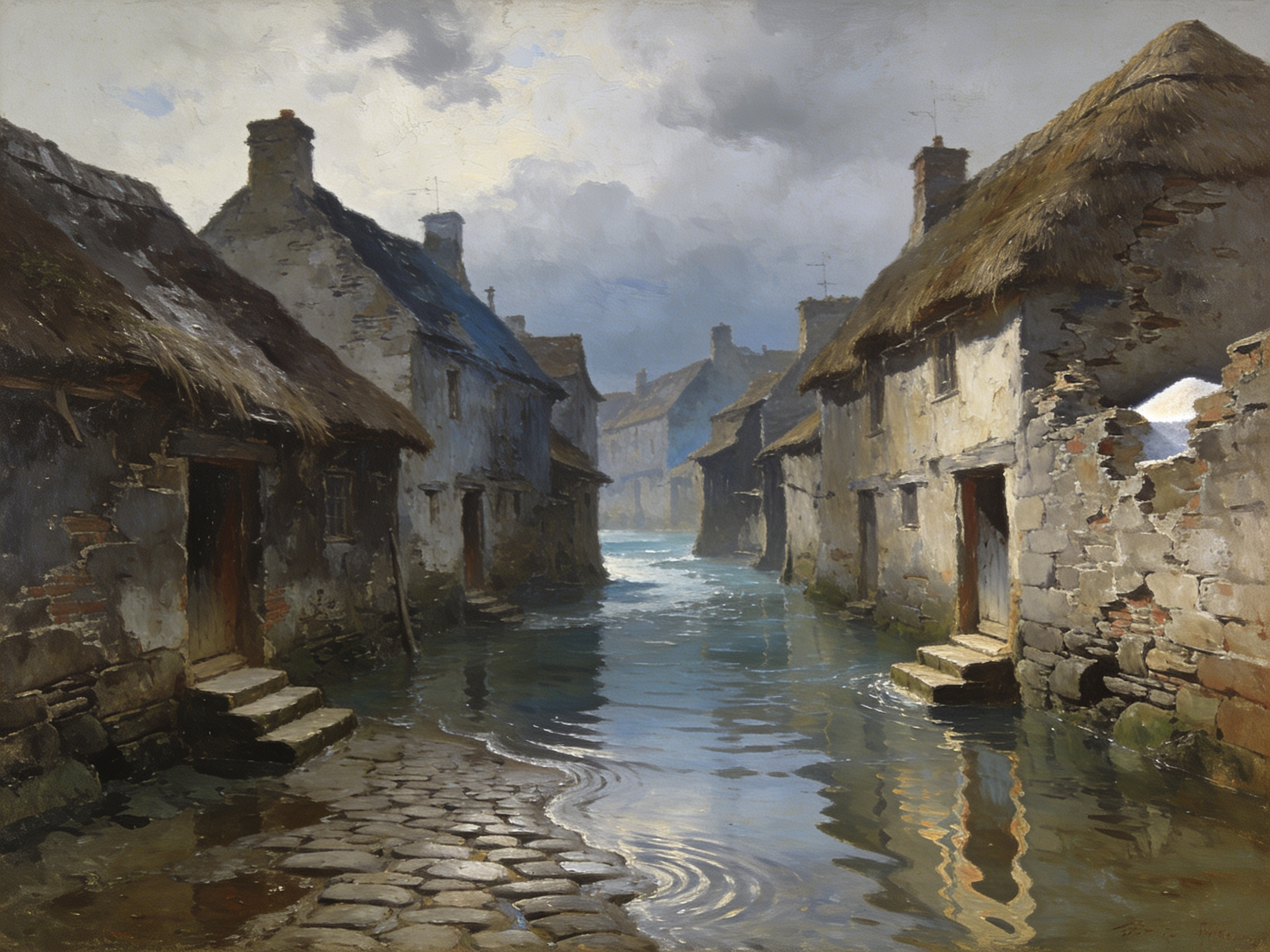
Location
The Salt Quarter
A tidal warren of salthouses and debt-courts, half-drowned twice a day.

Collaborative storytelling and worldbuilding.
For five hundred years, worlds have lived and died inside single books — built as scaffolding, glimpsed in the margins, discarded when the story ended. Worldspring inverts that. Here, the world is the work. You build it on a living canvas — its places, its people, its history, its rules, its voice — and the world itself produces its stories: written by you, prepared by the engine, played out by groups, delivered in episodes, in any form a reader wants to hold.
You already know this, because you've lived it from both sides. As a builder: the maps, the lineages, the invented calendars — the material that never fits in the manuscript. As a reader: finishing a beloved universe and wanting more of the world, not just more plot.
The old paradigm had one container for all of it: a book, written once, printed identically for everyone, with the world flattened into whatever the story happened to touch.
Worldspring gives the world its own existence. Not notes toward a book. Not a setting for a story. A first-class work — authored, versioned, alive — from which every kind of story can be drawn.
Worlds don't arrive as manuscripts. They arrive as fragments — a city, a grudge, a strange coin, a war three centuries back that explains everything. The canvas is built for exactly that.
A tidal warren of salthouses and debt-courts, half-drowned twice a day.
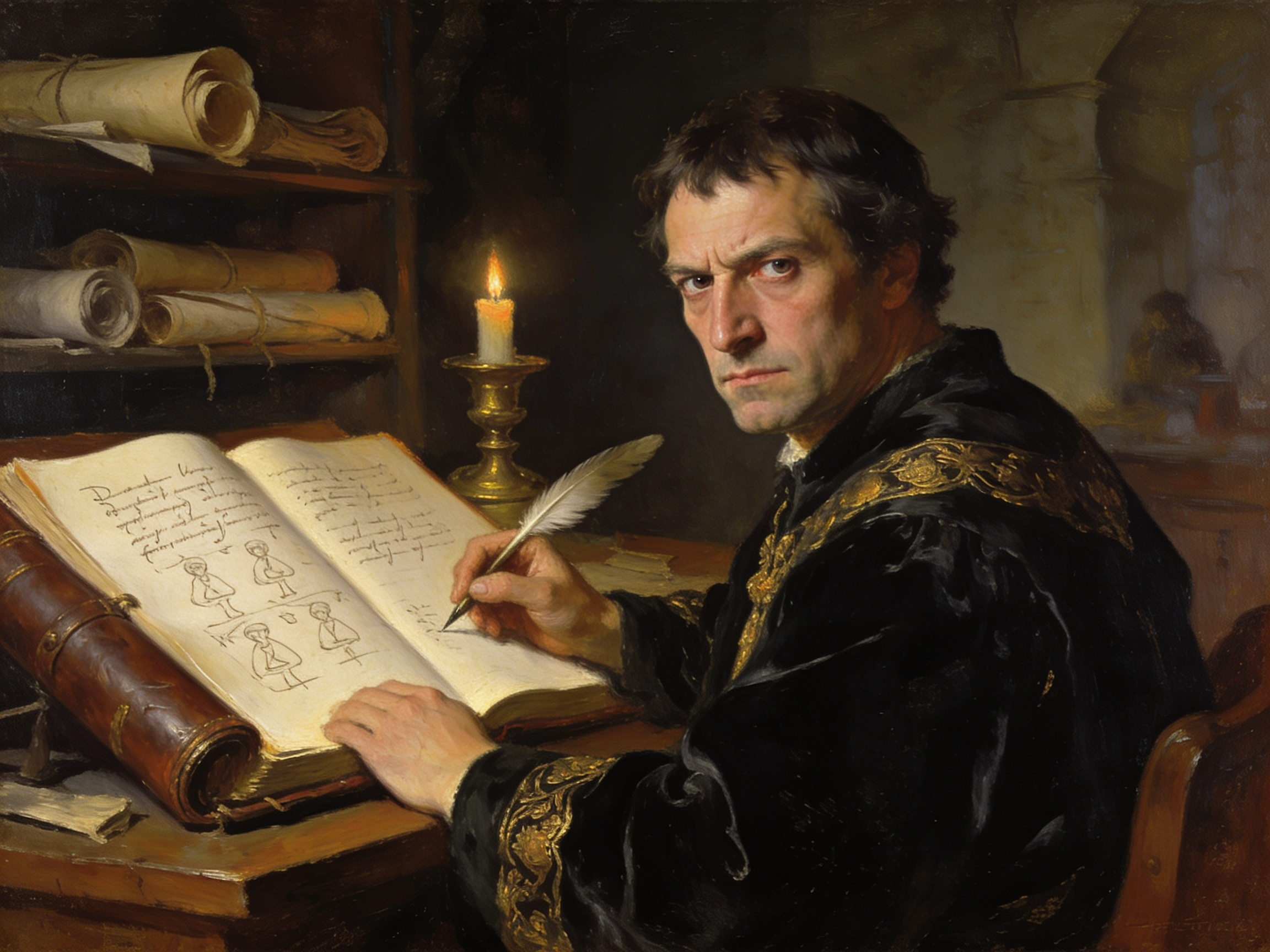
Ledger-keeper who never forgets a figure, or a face that owes one.
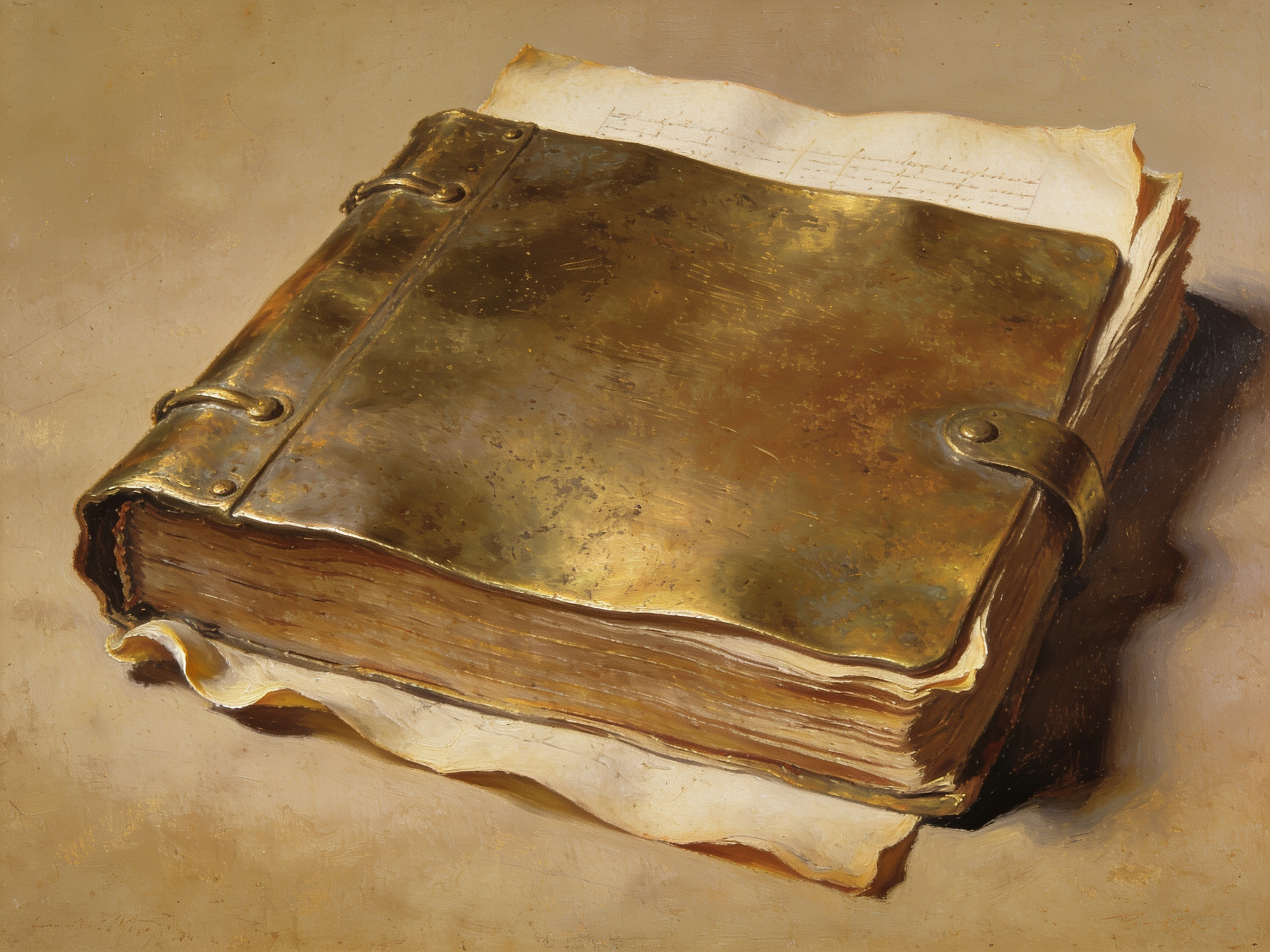
Every debt the Quarter owes, bound in beaten brass.
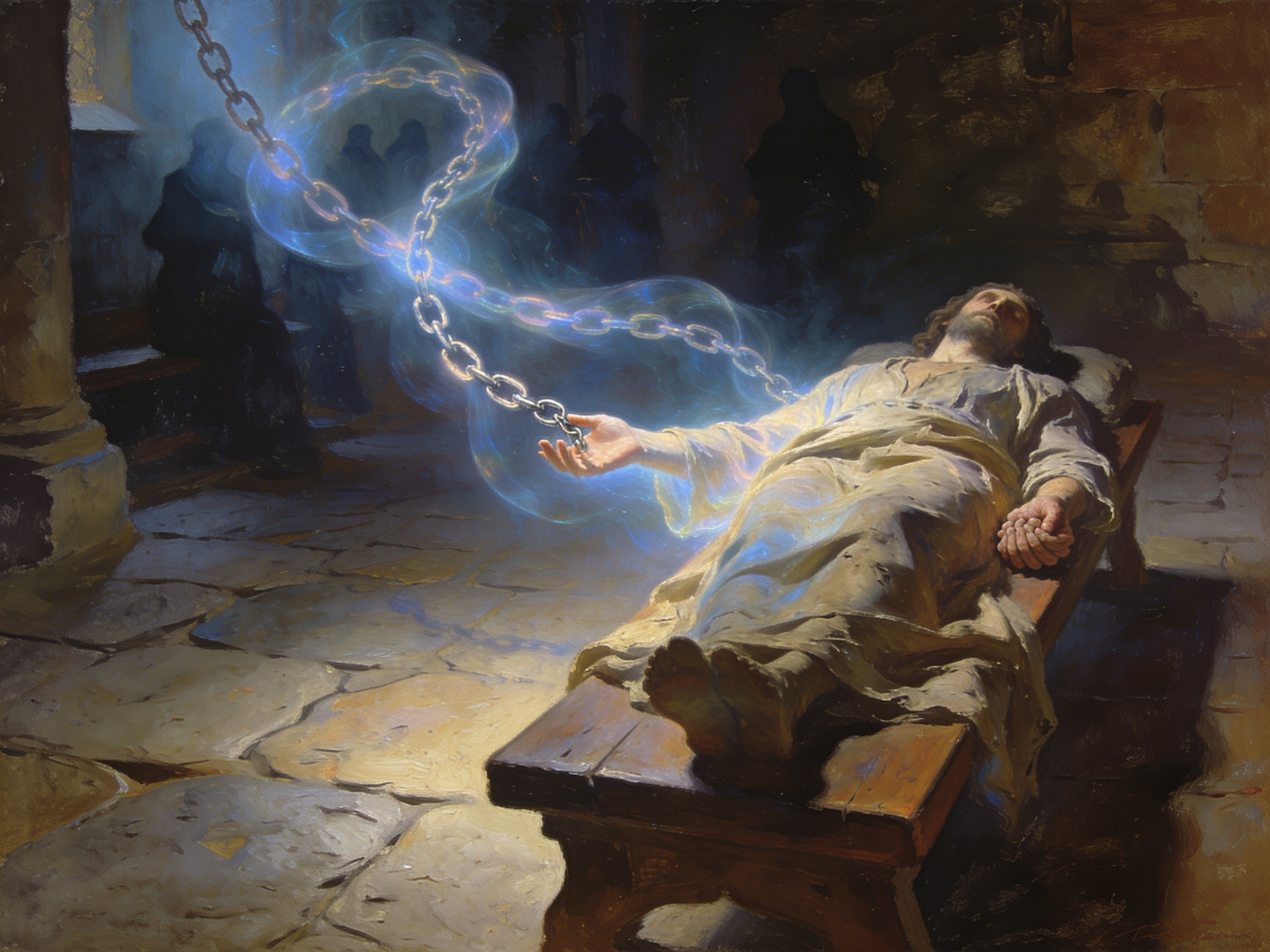
What is owed does not die when the one who owed it does.
Characters, places, objects, events, organizations — each a living entry you can start as a single sentence and deepen for years. Half-formed ideas are welcome; the canvas holds skeletons as gladly as finished portraits.
Who serves whom. What happened where. Which family owns which secret. Your world becomes a web of relationships you can see, walk, and query — the shape of the place, not a pile of documents.
Every character, place, and object can wear its own art — drawn by the press, or uploaded by you. A face for every name; a look for every place.
Draw or upload a map and pin the world to it. A location becomes somewhere, not just a paragraph — geography you can see, and hand to a reader.
Every world has physics — what its technology can do, how its names sound, what simply never happens there. You set these as the world's law, and everything produced inside the world obeys them.
Every entry carries a status you control: canon, proposed, or apocryphal. The world can grow from many sources — but nothing becomes true without your stamp.
From your own writing, the world learns how its stories should sound — your rhythm, your diction, what you'd never say — so that everything it produces reads like it came from the same hand. Because it did.
A world defined this deeply doesn't sit in a drawer. It becomes a source — and readers can draw from it in whatever form suits them:
The reference edition: an explorable, wiki-style compendium of everything canon. For the reader who falls in love with a world and wants to wander it — every city, every lineage, every artifact, cross-linked and browsable. The encyclopedia your world always deserved.
Your own fiction, published from the world it belongs to — with every name, date, and place standing on canon. The novel is still here. It's just no longer alone.
Stories composed on request, one reader at a time — built from your canon, shaped by your story structures, written in your voice, and fixed the moment they're read. An edition of one, for every reader who asks. Your world, addressed to them.
Groups step into your world together and live a story inside it — collaborative sessions where players act, the world responds, and the whole adventure is kept as a chronicle: a permanent record of the story they made in your world.
Every one of these can be delivered the way stories are actually consumed now: read on screen, printed and bound, downloaded as an EPUB, narrated as an audiobook, rendered as video. The world is the master; formats are just pressings.
That's the quiet power of building here: you author once, at the level of the world — and every story, in every form, inherits your canon, your rules, and your voice. Then you decide how much of what was created makes it back into canon for use again and again.
Every telling, every chronicle, every episode produced in your world generates new material — a character the engine named well, a corner of a city a Theater group made unforgettable. None of it touches canon on its own. All of it accumulates for your review.
The good parts, you promote: refine the entry, stamp it canon, publish the next version of the world. The rest stays apocrypha — interesting, recorded, harmless.
The old paradigm gave you one shot to get a world right. Here, the world compounds. Readers don't just consume it; they help you discover what else was in it all along.
Build the world instead. Let it do the telling.